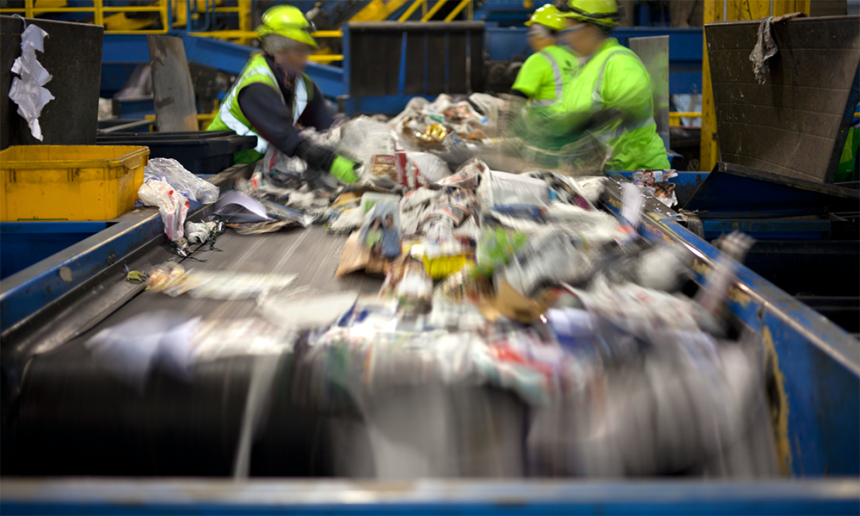
Median gate fees for materials recycling facilities have risen, while the cost of treating separately collected food waste through anaerobic digestion has fallen, according to WRAP’s latest annual survey.
WRAP’s Gate Fees Report 2025/26 tracks the charges paid by UK local authorities for a range of municipal waste recycling, recovery and disposal services.
The report found that the median gross gate fee for materials recycling facilities (MRFs) increased to £90 a tonne in 2025/26, up from £82 a tonne the previous year. Reported fees ranged from £31 to £137 a tonne.
However, the median net MRF gate fee remained unchanged at £42 a tonne, suggesting that income from recovered materials continued to offset part of the cost of sorting and processing dry recyclables.
The picture for organic waste treatment was more mixed. The median gate fee for food waste sent to anaerobic digestion (AD) fell from £24 to £13 a tonne.
Ten local authorities reported negative AD gate fees, meaning they received income for material delivered, while a further two reported zero-cost arrangements. WRAP said six authorities had entered new food-waste-only AD contracts since April 2025, with a median gate fee of £7 a tonne.
In-vessel composting costs fell for mixed food and garden waste, from £73 to £66 a tonne, and for garden-waste-only treatment, from £57 to £45 a tonne. However, the median fee for food-waste-only treatment through in-vessel composting increased from £72 to £77 a tonne.
Costs for residual waste disposal continued to rise. The highest median energy-from-waste gate fee was for bulky waste only, at £182 a tonne, while the median gate fee for non-hazardous landfill, excluding landfill tax, increased from £26 to £34 a tonne.
The survey also found that 26% of responding local authorities were considering changes to their kerbside dry-recycling collection systems at the next available opportunity. Of those planning changes, 52% currently operated fully commingled collections.
WRAP’s report comes as councils and contractors continue to prepare for changes to household recycling collections and packaging extended producer responsibility requirements.

