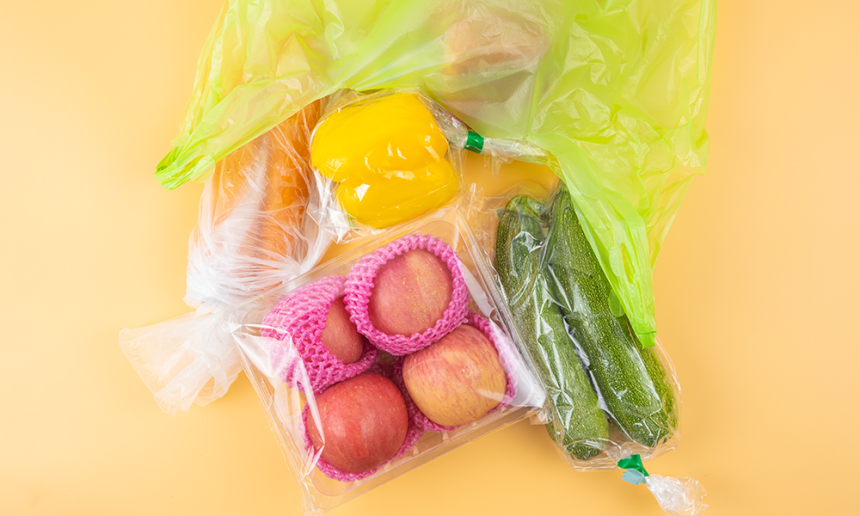
Flexible plastic collections at kerbside are popular with the public and easy to implement, according to the Flexible Plastic Fund’s final FlexCollect report.
The report concludes the Flexible Plastic Fund’s (FPF) project, which over the past three and a half years sought to understand how flexible plastic packaging can be collected and recycled at scale across the UK.
The FPF FlexCollect report consolidates over three years of learning from trials across 10 UK local authorities.
Over 400 tonnes of flexible plastic packaging were collected from 160,000 households as part of the trials, making it the largest project of its kind in the UK.
The project found that flexible plastic packaging can be incorporated into all collection service types with ‘relative ease’ through the use of collection bags, or loose in dry mixed recycling collections when appropriate sorting infrastructure is available.
As part of the report, FPF surveyed householders and found they broadly valued the scheme, with 89% satisfaction.

The provision of a dedicated collection bag for flexible plastic packaging, placed inside or next to an existing recycling container, works across all vehicle types without the need for additional crew or shorter rounds, the report found.
The use of bags successfully isolated materials and enabled effective picking by materials recycling facility operators, regardless of their infrastructure.
The report estimates that just over 150,000 tonnes of flexible plastic packaging could be collected from households in 2027, increasing quickly year on year to an estimated 200,000 tonnes per year by 2030.
FPF says sorting equipment modifications for bags will depend on the particular material recycling facility set up, with costs expected to range between ‘£10,000 and £150,000’.
Recycling end market gate fees for the project ranged between £80 and £1,000 per tonne, with the most commonly paid gate fee being £650 per tonne. However, FPF says this was affected by the plastics market instability during the scale-up of the project.
Material composition was also analysed across each pilot authority. Results were consistent across the project, with the composition being largely target material presented clean, dry, and free of food residues.
To deliver the project, a team was established by the FPF and Ecosurety, consisting of SUEZ recycling and recovery UK, RECOUP and WRAP.
The FPF was established in May 2021 by five founding partners: Mars UK, Mondelēz International, Nestlé, PepsiCo and Unilever.